How does positive thinking affect your life, family, career, and future? What is the power of positive thinking? How can you change negative thoughts into positive ones and make it habitual? Keep reading to see the reasons to have an optimistic attitude and the true power of positive thinking.
How Would You Describe This Glass?

Half full?
Half empty?
You can (and should!) change your outlook and focus to be more optimistic.
Here are 12 reasons to have an optimistic attitude that will lead you to experience the true power of positive thinking.
Better Problem-Solving Skills
People who think positively are more likely to see problems as an opportunity to find a solution. For instance, an optimistic person will see a challenging task as an opportunity to learn and achieve a goal, rather than see it as an obstacle or dilemma.

Positive thinking helps to view things with a broader perspective and when faced with a problem, optimists tend to see beyond immediate obstacles and consider a wider range of potential solutions.
Reduced Stress Response
Facing problems with positivity can reduce the stress and anxiety that normally comes with them. Your mindset allows you to realize that some bad things are just a part of life and you have the power to overcome them.

You learn to resolve your issues with practical techniques and through self knowledge. You live a more relaxed life and can balance a bad day with the power of positive thought.
Positive thinkers handle stress well. They’re likely to view stressful situations as only temporary (which they are!) and they have faith in their ability to overcome them. They cope better and reflect at the situation by learning from it.
Better at Cooperation
There is no question that positivity can be contagious. If you have the power to see things from a positive lens, it can inspire others, making it easier to gain their support in finding solutions.
Your positive power may be the initiative needed to effect change and when bad things happen, your power will enable more positive thinking and can turn the bad into good.
Your personal and professional relationships will be enhanced and your way of thinking will contribute to better cooperation and effective results.
Enhanced Creativity and Innovation
Positive thinking can boost your creativity by enabling an open mind and the willingness to see other perspectives.

A person with positive emotions might be more likely to try a new hobby or activity because they will see it as an exciting adventure or learning experience.
Better Health
There’s a strong correlation between your mindset and your physical health.
Research has shown that optimists have stronger immune systems and generally recover from illness more quickly. One reason is because they’re more likely to engage in healthy behaviors and have less stress.
More Resilience
Thinking positively can lead to being more flexible in various circumstances. For example, after a setback, an optimistic person is more likely to look at the bright side and see it as an opportunity for growth and learning rather than as a failure.
This powerful mindset encourages persistence, even in the face of setbacks.
Better Social Skills and Relationships
Positive thinking can lead to better social skills and more meaningful relationships. People are generally drawn to to others who are happy and have a positive outlook. These are people who tend to be more supportive and encouraging. This can also lead to stronger and more fulfilling personal and professional relationships.

Increased Productivity
At work, positive thinking can lead to higher productivity. If you believe in your abilities and have self-confidence, you are more likely to complete your tasks with thoughtfulness and enthusiasm, which is an attractive trait sought by employers.
Your confidence will enable you to be decisive and stand by your actions.
Better Decision Making
Positive thoughts provide clarity and can lead to better decision-making. A person with a positive attitude is less likely to be clouded by negativity, which can irrational and impulsive decisions. Clarity and positive thinking allows ideas to flow and also allows us to see more possibilities.
Your optimism will help you to be realistic about risks and rewards.
Clarity can help you to assess situations objectively, acknowledge the downsides while at the same time being hopeful of a positive outcome.
Long-Term Success
Positive thinking is a power that can influence long-term success and goal achievement. If you have an optimistic attitude, set realistic and achievable goals, and believe you will succeed, you can manifest success in your current endeavors and in your future.
Successful people have the power of positive thinking, power to resist negative emotions, the initiative needed to succeed, and the power to pivot and adapt when necessary.
Long-term success requires an optimistic attitude and positive thoughts for productivity and motivation.
The power of positive thinking will help you to make decisions that align with your long-term goals and values, instead of being blinded by short-term and emotional impulses.
True Happiness and Satisfaction
Positive thinking can lead to a higher level of true and enduring happiness and satisfaction in life. By focusing on the good things and recognizing the significance of the simple things, you can experience a more content life and achieve fulfillment in your endeavors.

Ultimately, the power of positive thinking can transform your daily activities, thoughts, and future by promoting better health, resilience, productivity, and relationships.
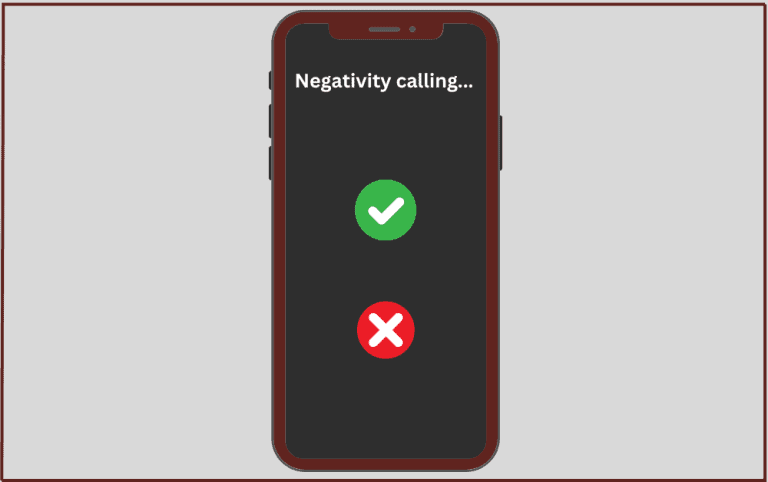
Don’t respond to life’s challenges with a negative outlook. Face negative situations with an optimistic attitude that emphasizes opportunity, learning, and growth.
Constructively Handle Feedback
The power of positive thinking helps you to accept and use feedback constructively.
If you’re able to recognize the good intent of the feedback rather than look at it through a negative lens, you will see the feedback as an opportunity for personal growth and be thankful for the ability to learn from another’s point of view.
This is imperative when making informed decisions and for success, because it helps you to consider different perspectives and adjust your approach using different and external contributions.
How Do You Develop the Power of Positive Thinking?
Here are some easy tips to help you develop the power of positive thinking.
Change Your Mindset
Start by consciously shifting your mindset. When faced with a decision or problem, pause and remind yourself to approach it positively.
Reflect on Past Successes
Reflecting on past instances where you successfully solved a problem or made a good decision can bolster your confidence and reinforce a positive approach.
Stay Open to Possibilities
In both problem-solving and decision-making, stay open to a range of possibilities. Don’t limit yourself to the first solution or choice that comes to mind.
By cultivating a positive mindset, you can enhance your problem-solving abilities and make more effective decisions. This doesn’t mean ignoring the realities of a situation but rather approaching it with a mindset that focuses on solutions, growth, and a constructive outlook.
Helpful Techniques to Guide Your Thinking
Practice Mindfulness and Awareness
To-Do: Practice mindfulness meditation.
Sit in a quiet place and eliminate distractions.
Focus on your breathing, one breath at a time.
Observe your thoughts and feelings without judgment.
Become aware of your thought patterns, especially the negative ones.
Benefit: Increases self-awareness and helps develop ability to identify and eliminate negative thought.
Use Positive Affirmations
To-Do: Practice positive affirmations and self-talk every day. This can help in reinforcing a positive mindset.
Make a list of your goals.
Print the positive affirmations and place them in a visible location.
Read them every day.
Benefit: This one habit reinforces positive beliefs to your subconscious mind and gradually replaces negative thoughts.
Remember, “Affirmation without discipline is delusional.” You must do this on a consistent basis. Practicing positive self talk is a way to retrain your subconscious mind and is a power of positive thinking.
Practice Gratitude
To-Do: Start a gratitude journal.
Every day, write down one thing you are grateful for. Simplicity is fine here.
Benefit: This shifts the focus from negative thinking to a more positive mindset, fostering a sense of appreciation and self-love.
Try Cognitive Restructuring
To-Do: Practice reframing.
When you have a negative thought, consciously focus on changing it to a positive or realistic one. For example, if you think you can’t do something, change your thought process to think you can do it eventually with more practice and preparation.
Benefit: This changes negative thought patterns to more positive and realistic ones.
Surround Yourself with Positivity
To-Do: Surround yourself with positive people.
Eliminate negativity in your personal and professional relationships.
Participate in activities that make you happy.
Benefit: Being around positivity can influence your own energy, mood, and perception.
Set Realistic (SMART) Goals
To-Do: Set small, achievable, time-based goals.
Celebrate milestones.
Reward yourself and reflect when you accomplish your goals.
Recognize the effort it took you to achieve fulfillment of the goal.
Benefit: This power builds self confidence and a sense of accomplishment, fostering a more positive outlook in your life.
Use Visualization Techniques
To-Do: Regularly visualize yourself succeeding or achieving your goals.
Mentally visualize the process and the successful outcome.
Benefit: This power is the initiative needed for continued motivation and success.
Exercise and Physical Activity
To-Do: Exercise regularly and make it a habit.
Increasing blood flow to the brain helps you think clearer.
Even a daily brisk walk can significantly boost your mood.
Benefit: Exercise releases endorphins (natural mood enhancers) that can help you achieve a more positive outlook in life.
Practice Self-Compassion
To-Do: Be kind to yourself.
Acknowledge your effort, not just your success.
Treat yourself as you would a good friend or loving family member.
Have faith in yourself.
Benefit: This power reduces self-criticism and fosters a more positive and forgiving attitude towards yourself.
Limit Negativity in Your Life
To-Do: Reduce the amount of negative influences in your life.
Turn off the news. It can be unpleasant, divisive, and subjective.
Turn off social media. This is often a place of unfounded judgment.
Stay away from negative people. They are not good for anyone.
Eliminate worries and replace worry with faith.
Benefit: This minimizes your exposure to external negativity and gives you the power to maintain a positive mindset.
Making Positive Thinking Habitual
Consistency: The power of positive thinking requires constant focus. The more consistent you are, the more likely it will become habitual.
Patience: Change takes time. Be patient.
Persistence: Don’t quit. Use the practical techniques outlined to achieve fulfillment of your goals.
Milestones: Set mini-goals to indicate progress. Document in your journal how things are going and how grateful you are for the positive transformation.
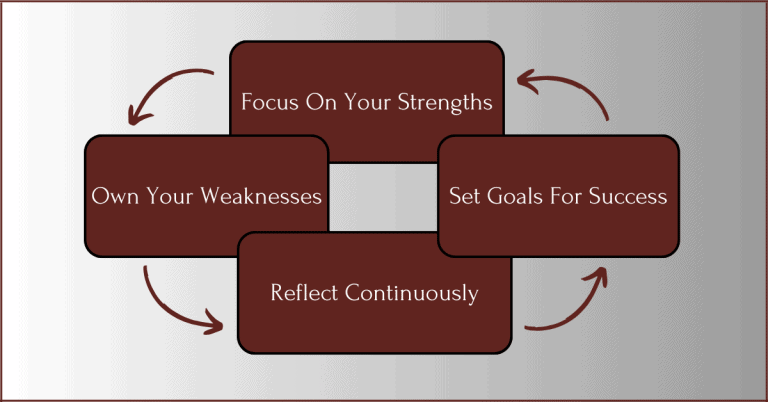
Reflection: Regularly reflect on how your thoughts and attitudes have shifted. Acknowledge and celebrate your progress, no matter how small.
Transforming your mindset from negative to positive is a gradual process. It’s about making small, consistent changes in your daily habits and thought patterns. Over time, these practices can significantly shift your overall outlook towards a more positive and optimistic one.